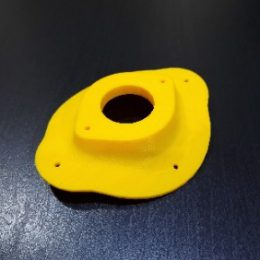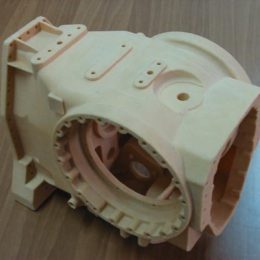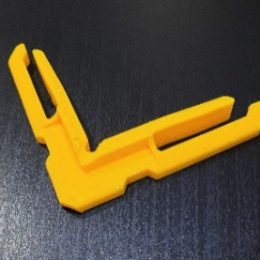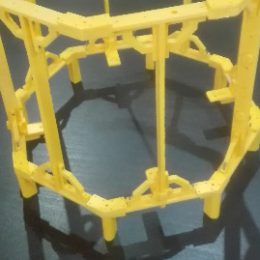
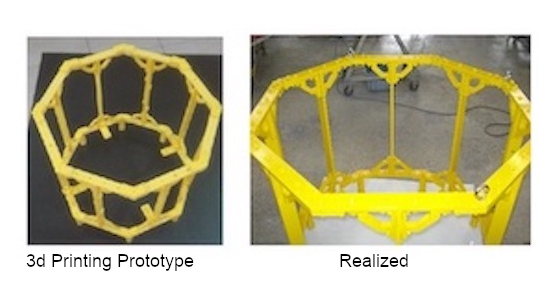
3D Printing Prototype
Also known as fused deposition modeling (FDM); this method of 3D printing fuses and extrudes plastic and composite materials.
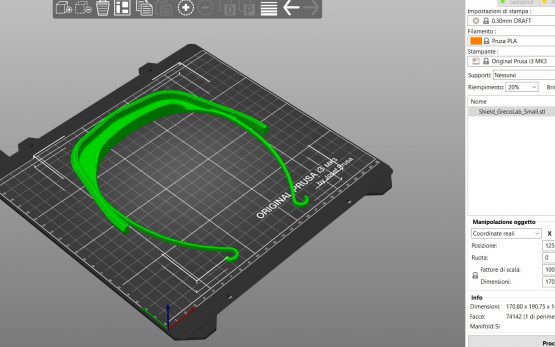
A 3D printer works by taking a 3D file and using it to generate a series of cross-sectional portions, each portion is then printed in layers to create the 3D object.
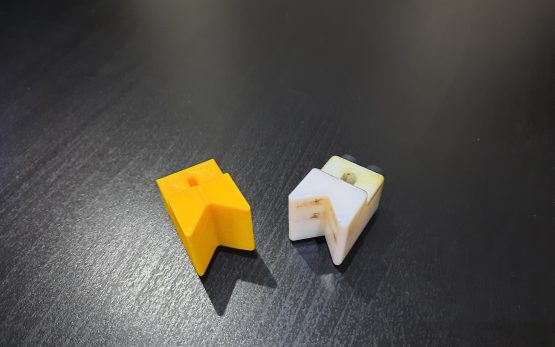
3D printing technology is becoming an increasingly important presence within factories and businesses because it allows small objects to be created economically by choosing materials, colors and shapes.
3D printers
- are generally faster, more reliable and easier to use than other subtractive manufacturing (CNC) technologies.
- They offer the ability to print and assemble parts made of different materials with different physical and mechanical properties in a single manufacturing process.
3D Printing Features:
Maximum print size: 250mm x 210mm x 210mm (X, Y, Z) with layer accuracy down to 0.05mm.
Usable materials: PLA, ABS, PET, HIPS, Flex PP, Ninjaflex, Laywood, Laybrick, Nylon, Bamboofill, Bronzefill, ASA, T-Glase, filaments with fiber
carbon, polycarbonates.
Realizations in various colors, file management of any format: STP, STL, IGES.
Excellent compromise for rapid prototyping, small series of components and spare parts of plastic parts with structural characteristics.